
By Sunil Kr. Badal, Founder & CEO – Kennies Data Centre.
TL; DR
Public cloud delivers speed and cost efficiency.
Private cloud offers control and compliance.
Hybrid cloud balances both – making it the preferred strategy for businesses scaling into 2026.
The Power of the Cloud: Public, Private, and Hybrid
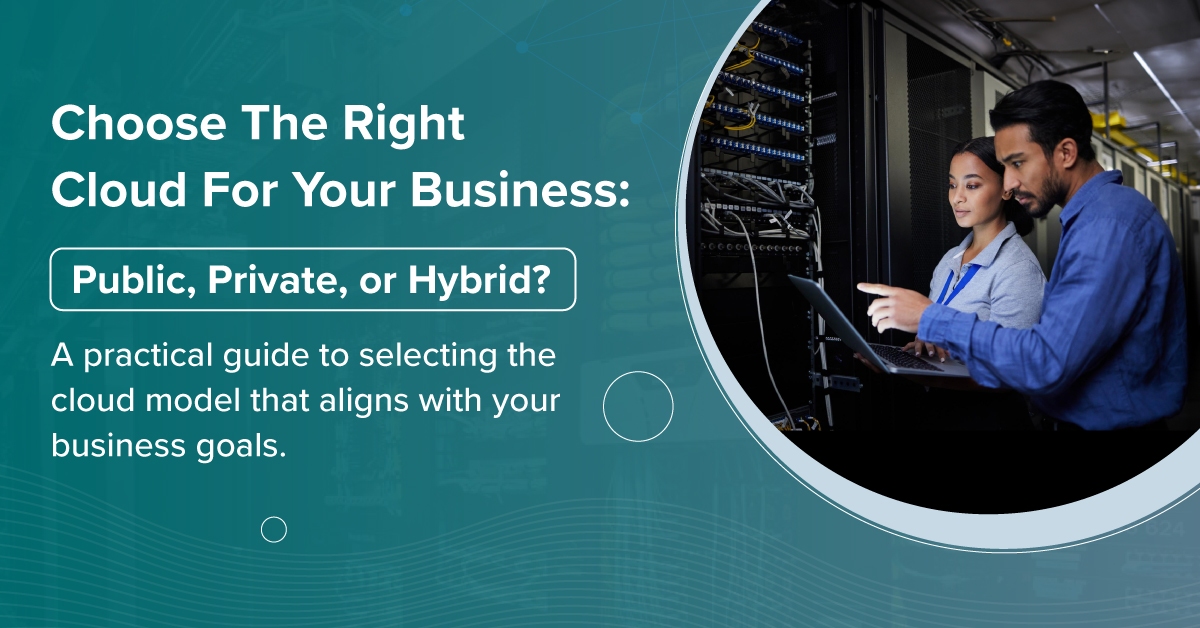
Cloud computing has become the foundation of modern digital transformation. Yet choosing the right cloud model isn’t about following trends – it’s about aligning infrastructure with business priorities.
Understanding the differences between public, private, and hybrid cloud models enables organizations to build IT environments that are secure, scalable, compliant, and future-ready.
Public Cloud
The public cloud offers scalability, cost-effectiveness, and flexibility, powered by third-party providers such as AWS, Microsoft Azure, and Google Cloud. It delivers a shared pool of computing resources—including storage, applications, and processing power—over the internet.
Public cloud environments are ideal for businesses that need to scale rapidly without heavy upfront investments. However, because resources are shared, security and compliance controls are largely governed by the service provider’s framework.
For startups, small businesses, and organizations with fluctuating workloads, public cloud is often the most practical choice. Its pay-as-you-go model and near-unlimited scalability enable faster growth while keeping costs under control.
Key Benefits
- Cost-effective: Pay only for what you use
- Scalable: Seamlessly scale resources up or down
- Maintenance-free: No infrastructure management required
Private Cloud
Private cloud environments provide a customized and highly secure infrastructure dedicated to a single organization. These environments can be hosted on-premises or managed by a trusted third- party provider, ensuring full isolation and control.
Private clouds are particularly suited for enterprises handling sensitive data or operating in regulated industries such as healthcare, finance, government, or critical infrastructure. Organizations retain full control over data governance, security policies, and performance benchmarks.
While private cloud typically involves higher upfront investment and requires skilled IT resources, it delivers long-term stability, compliance assurance, and operational reliability.
Key Benefits
- Enhanced security: Isolated, dedicated infrastructure
- Full control: Ownership of data and security protocols
- Customisation: Infrastructure tailored to business requirements
Hybrid Cloud
Hybrid cloud combines the flexibility of public cloud with the control of private cloud, offering a balanced and adaptive infrastructure model.
In a hybrid environment, organisations can keep sensitive workloads within a private cloud while leveraging public cloud resources for non-critical, variable, or burst workloads. This approach enables cost optimisation without compromising security or compliance.
Hybrid cloud is particularly effective for businesses managing seasonal demand, regulatory requirements, disaster recovery planning, or mission-critical applications.
For growing enterprises, hybrid cloud delivers the agility to respond quickly to change while ensuring long-term resilience and operational continuity.
Key Benefits
- Flexibility: Move workloads between private and public environments
- Cost optimization: Balance secure private resources with scalable public cloud usage
- Business continuity: Strengthen disaster recovery with distributed infrastructure
Choosing the Right Cloud for Your Business
Selecting the right cloud model depends on your organization’s goals, workloads, and risk profile. Key considerations include:
- Security and Compliance Businesses handling sensitive or regulated data may benefit from private or hybrid models. However, modern public cloud providers also offer robust security frameworks suitable for many workloads.
- Scalability and Flexibility Public cloud excels in managing rapid growth and fluctuating demand. Private and hybrid clouds provide greater predictability, performance, and governance for stable or regulated workloads.
- Cost Considerations
Public cloud is often the most cost-effective option for smaller or variable workloads. Private cloud involves higher upfront costs, while hybrid cloud offers a balanced approach with long-term optimization potential. - IT Resources and Management
Organizations with in-house IT expertise may benefit from private or hybrid environments. Those seeking minimal operational overhead often prefer public cloud with managed services.
Current Trends in Cloud Adoption
- 90% of enterprises are adopting multi-cloud or hybrid strategies to increase flexibility and reduce vendor lock-in (Source: Gartner)
- The global public cloud market is projected to reach $832.1 billion by 2025, growing at a 16% CAGR (Source: Gartner – Public Cloud Market Outlook)
- 45% of enterprises are expected to adopt hybrid cloud solutions, with 40% opting for private cloud environments (Source: IDC – Hybrid Cloud Trends)
- 50% of organizations migrating to the cloud report cost savings of 30% or more (Source: Deloitte – Cloud Strategy)
Final Thoughts: The Right Cloud Is the One That Fits
There is no one-size-fits-all cloud strategy. Public, private, and hybrid cloud models each serve different business needs—from rapid scalability and cost efficiency to control, compliance, and long- term resilience.
As organizations continue to evolve, the right cloud decision should support not only today’s workloads but also future growth. By understanding your operational requirements, security needs, and business objectives, you can build a cloud strategy that drives innovation, agility, and sustainable success.
In today’s digital economy, the cloud isn’t just an infrastructure choice, it’s a strategic enabler.